Fast & Reliable
Home Appliance Repair
Service Center
Washing Machine Service Center Near Me
Same-Day Doorstep Service
Washing Machine Service Center Near Me
Same-Day Doorstep Service
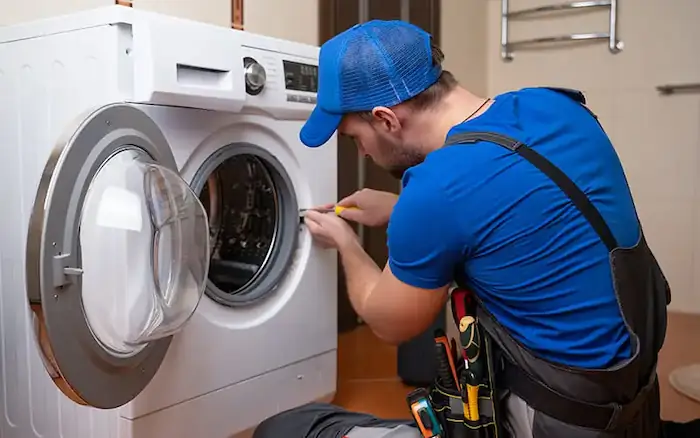
When your washing machine suddenly stops working, starts making unusual sounds, refuses to drain water, or fails to complete a wash cycle, finding a service provider close to your location can make the situation easier to handle.
Searching for washing machine service near me usually means you are looking for convenient help that can be arranged for your home rather than having to transport a heavy washing machine somewhere else.
A local service visit allows the appliance to be inspected where it is installed, making it easier to understand what happened and what kind of attention the machine may require.
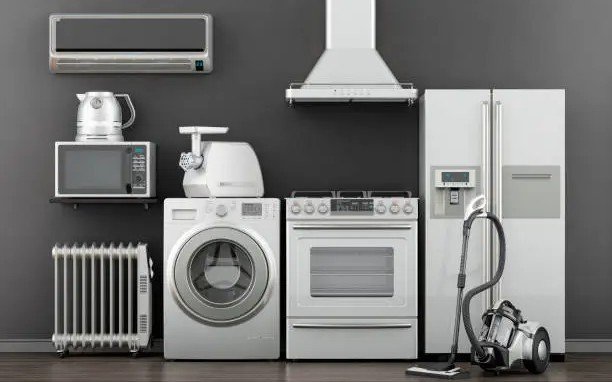
When someone searches for washing machine service near me, they are generally trying to find appliance assistance that is available around their current location.
The search is not only about finding a company that repairs washing machines; it is also about finding a service option that is practical for the customer's home. Location can matter because washing machines are usually installed in one place and are not convenient to carry to a distant repair shop.
We provide quick, reliable and affordable Washing Machine repair services with experienced technicians.
At Smart Service Centre, We Provide Fast And Reliable Home Appliance Repair Service With Skilled Technicians And Professional Solutions.
Whether You Need A Washing Machine Technician, fridge Mechanic, Ac Service expert Or, Tv Specialists. Our Team Is Ready To Help With Quick Doorstep Service.
Reliable Appliance Services At Affordable Prices Without Compromising On Quality. Our Technician Offers Best Cost-Effective Solutions For Your Appaince.
We Deliver Quality Appaliance Repair Services With Experienced Appliance Technicians Offering Fast Doorstep Repair Service.
Lg, Ifb, Bosch, Samsung, Siemens, Whirlpool, Godrej, Onida, Xiaomi, Panasonic, Hitachi, Toshiba, Sharp, Sanyo, Aqua,Miele, Aeg, Electrolux, Constructa, Neff, Maytag, Amana, Speed Queen, Alliance Laundry System, Frigidaire, Hotpoint, Ge Appliance, KitchenAid, Kenmore, Crosley, Magic Chef, Haier, Midea, Hisence, Tcl, Little Swan, Skyworth, Konka, Galanz, Changhong, Aux, Gree, Robam, Bpl, Videocon, Voltas, Beko, Lloyd, Croma, Marq, Micromax, Intex, Koryo, Mitashi, Sansui, Motorola, Realme, Candes, Dmr, Daewoo, Gem, Intec, Daenyx, Vestar, Gorenje, Asko, Gram, Cylinda, Zanussi, Hoover, Indesit, Candy, Thomson, Vendette, Brandt,
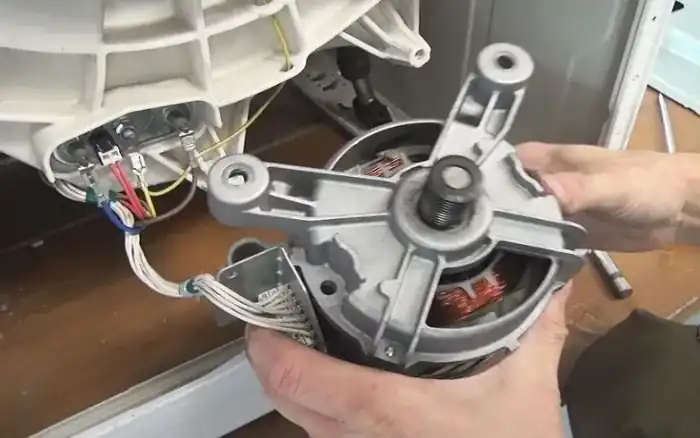
A nearby washing machine service option can make it easier to arrange assistance without searching through providers that operate far away. Customers can look for service providers that mention their locality, nearby neighborhoods, or the wider area they cover. This can be particularly useful when the washing machine is installed inside a home, apartment, or utility area and needs to be inspected where it is being used.
Instead of searching only for a washing machine repair company in an entire city, customers can also search using the name of their locality. For example, someone may search for washing machine service near a particular neighborhood, residential area, or nearby landmark. Local searches like these can make it easier to discover providers that specifically mention serving that part of the city.
When a washing machine finishes washing but the water remains inside the drum, the appliance may be experiencing a drainage problem. You may notice that the cycle stops before spinning, clothes remain submerged, or the machine displays a drainage-related error.
Drainage can be affected by blockages, the drain hose, the pump, or other parts of the drainage system. If water repeatedly remains inside after different wash cycles, the machine may need to be inspected rather than repeatedly restarted in an attempt to clear the problem.
A washing machine that starts its programme but does not fill with water may remain at the beginning of the cycle or eventually stop. The problem can sometimes be related to the incoming water supply, hose, inlet filter, inlet valve, or the machine's control system.
Pay attention to whether you can hear water entering the appliance and whether the issue occurs with every programme. This information can help when explaining the problem to a washing machine technician.
When no water enters the washing machine after a programme has been selected, the appliance may be unable to move beyond the initial stage of the cycle. Before assuming that an internal part has failed, it can be useful to check whether the household water supply is available and whether the washing-machine inlet connection is properly positioned.
If water is available but the machine consistently fails to fill, professional inspection can help determine whether the issue is related to the inlet system or another part of the appliance.
Water leaking from a washing machine should not be treated as normal operation, particularly when the leak happens repeatedly. The location and timing of the water can provide useful clues. A leak may become noticeable while the machine is filling, during washing, while draining, or near the end of a cycle.
Hoses, connections, seals, the door area, and internal components can all require consideration depending on where the water is appearing. If the leak is significant, stopping the appliance and arranging an inspection is safer than continuing to run repeated cycles.
A washing machine that continues taking in water instead of stopping at the required level is behaving differently from a normal wash cycle. Continuous filling can result in excessive water entering the appliance and may prevent the programme from progressing correctly.
The issue can involve the water inlet system, water-level sensing, a valve, or the machine's control functions. Because uncontrolled water entry can create a risk of overflow, it is better to stop using the appliance and have the cause checked rather than allowing it to continue filling.
Water appearing around a washing machine can have different causes depending on when and where the leak occurs. It may be noticed during filling, washing, draining, or after the cycle has ended.
The location of the water can provide useful information, although it does not necessarily identify the exact source. A small leak that repeatedly appears should not simply be treated as normal appliance behaviour, especially if the amount of water gradually increases.
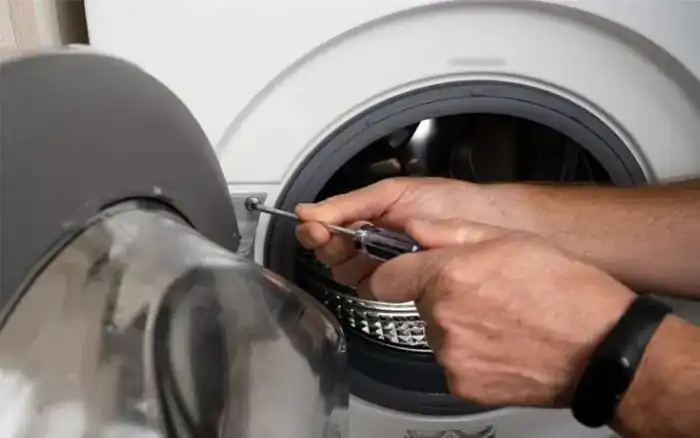
A washing machine that does nothing after you select a programme can leave you wondering whether the issue is with the controls, power supply, door or lid detection, or another part of the machine. Sometimes the display may remain completely blank, while in other cases the controls may light up but the cycle never begins.
Notice what happens immediately after pressing the start button, including any lights, sounds, error messages, or changes on the display. Those small details can help describe the starting problem more clearly when the appliance is checked.
Stopping halfway through a wash can be more confusing than a machine that refuses to start because several stages may have already worked normally. The appliance might fill with water, tumble the clothes, and then pause unexpectedly, or it may stop during draining or spinning.
The point at which the cycle stops is therefore worth noting. If the same programme repeatedly stops at roughly the same stage, remember that pattern and mention it when arranging washing machine service.
When the drum does not enter its normal spin stage, clothes can remain much wetter than they should be at the end of the programme. In some situations, the washing and rinsing stages may appear normal even though the final spinning does not happen.
It is useful to check whether water is still sitting inside the drum and whether the machine attempts to spin before stopping. These observations can help distinguish a spinning-related complaint from a problem that is actually preventing the machine from reaching that stage.
A drum that rotates slowly is not automatically a sign of a fault because washing machines deliberately use different speeds at different points in a programme. The concern arises when the machine no longer reaches the stronger spin speed that it normally uses, leaving clothes noticeably wetter than usual.
Compare the behaviour with a familiar programme and consider whether the slower rotation happens with every load or only certain loads. A consistent change in spin performance deserves attention, particularly if it is accompanied by unusual sounds or repeated cycle interruptions.
The sound of a washing machine can change considerably depending on whether it is filling, washing, draining, or spinning. What deserves attention is a noise that is new, unusually loud, or clearly different from the appliance's normal sound.
A customer might hear banging, humming, clicking, rattling, or a grinding-type sound at a particular point in the cycle. Instead of trying to identify the internal part responsible from the sound alone, note when the noise occurs and whether it changes with the drum speed or size of the load.
Some movement during a high-speed spin can occur, but excessive shaking can make the machine move away from its usual position or create repeated banging against nearby surfaces. The pattern matters: occasional movement with a particular uneven load is different from strong vibration during almost every spin cycle.
Notice whether the appliance remains stable during washing and becomes unstable only at higher speeds. If the shaking is persistent or has suddenly become much worse than before, the machine's installation and operating condition may need to be checked.
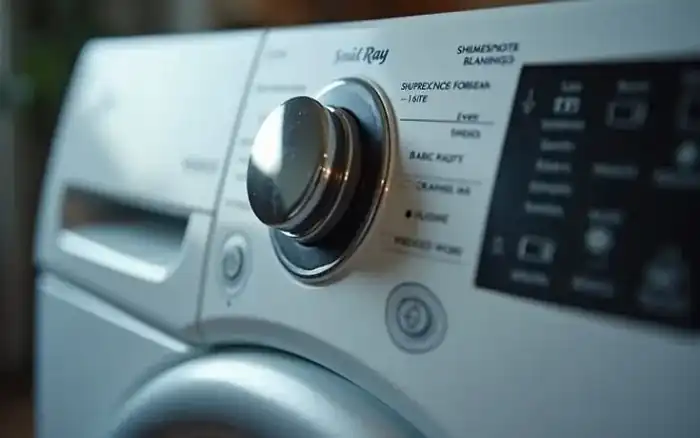
4C / 4E Water Supply Problem, 5C / 5E Drainage Problem, dE / DC Door Not Closed Properly, UE / Ub Unbalanced Load, LE / LC Water Leakage Detected, 3E Motot Problem, CE Temperature Sensor Issue, OE / OC Water Overflow, HE / HC Heating Problem.
IE - Water Inlet Error, OE - Drain Error, UE - Unbalanced Load, DE - Door Error, LE - Motor Locked Error, CE - Current Error, FE - Overflow Error, PE - Water Level Sensor Error, TE - Heating Sensor Error.
F01 - Control Board, F02 - Drain Problem, F05 - Water Temperature Sensor Issue, F06 - Motor Tachometer Error, F08 / F09 - Water Heating / Overflowing Issue, F11 - Communication Error.
E01 - Door Lock Problem, E02 - Water Inlet Problem, E03 - Drain Problem, E04 - Water Overflow, E05 - Motor Error, E06 - Temperature Sensor Error.
E16 / F16 - Door Lock Issue, E17 / F17 - Water Inlet Problem, E18 / F18 - Drainage Problem, E19 / F19 - Heating Problem, E23 / F23 - Leakage Detected, E32 - Unbalanced Load.
U11 - Drain Problem, U12 - Door Not Openning, U13 - Load Unbalanced, U14 - Water Not Flowing, H01 - Water Level Sensor Error.
E1 - Drain Problem, E2 - Door Not Locking, E4 - Not Taking Water, E8 - Water Overflow, E7 - Motor Fault.
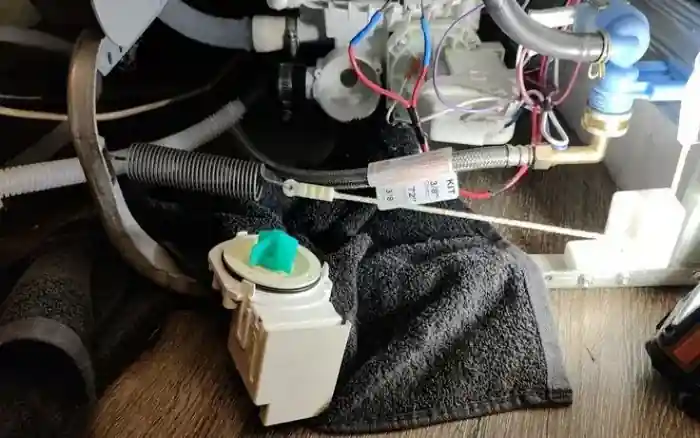
Front-load washing machines use a horizontally positioned drum and have a front door for loading clothes. Their operation involves controlled drum movement, water management, rinsing, and high-speed spinning. Because the door seal, drainage system, drum movement, and locking mechanism all play important roles, problems can sometimes appear through leaks, unusual vibration, door-related issues, or changes in spin performance.
Top-load machines are loaded through an opening at the top and can use different washing mechanisms depending on the model. Some use an agitator while others use an impeller-style system. Problems may therefore present differently from those seen in front-load machines. Observing the machine's specific behaviour and programme stage remains important when describing an issue.
Semi-automatic machines generally require more interaction from the user than fully automatic models, often involving separate washing and spinning sections. Their operation therefore includes additional user-controlled steps. Problems can involve either section of the appliance, and customers should specify which part is affected when requesting assistance.
Fully automatic machines coordinate multiple stages within a selected programme with limited user intervention. Because filling, washing, rinsing, draining, and spinning are controlled as part of a programmed sequence, a problem in one stage can sometimes prevent later stages from occurring. This can make the exact point at which the cycle stops particularly useful information.
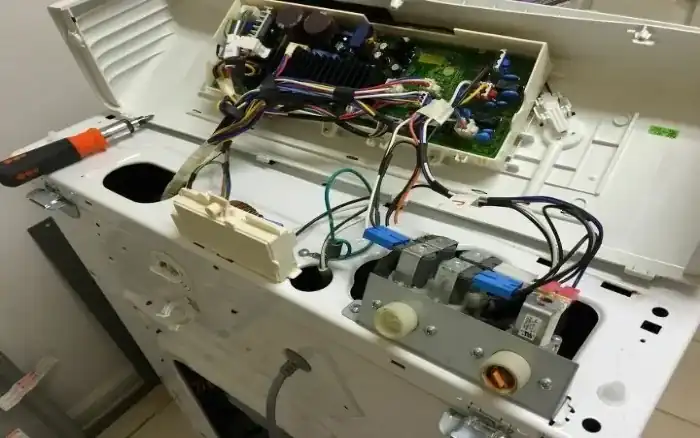
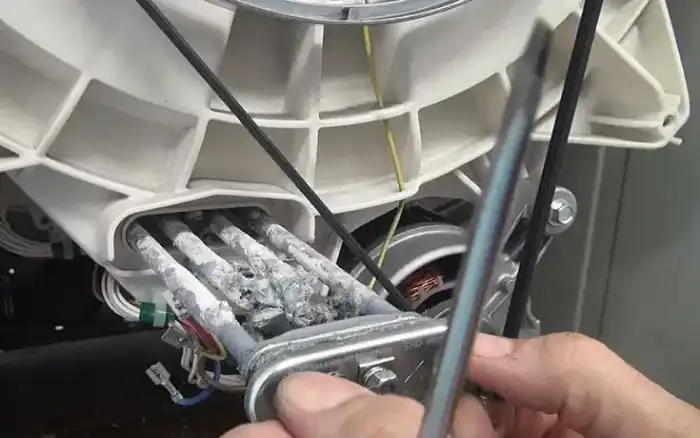
“Washing machine service near me” generally refers to searching for a washing machine service provider that operates around your current location. Customers use this type of search when they need assistance with a washing machine at their home and want to find a service option that covers their locality. The exact service area can vary between providers, so checking the listed locations or confirming your area before requesting a visit is useful.
Many washing machine service providers offer home visits, allowing the appliance to be inspected where it is installed. This can be convenient because washing machines are heavy and are normally connected to water, drainage, and electricity. When making an enquiry, provide the location of the washing machine and describe the problem so the service requirement can be understood clearly.
You can search online using terms such as “washing machine technician near me,” “washing machine repair near me,” or “washing machine service near me.” After finding a local result, check whether the provider serves your locality and whether washing-machine service is actually offered. It is also useful to review the service information and contact details before requesting assistance.
Not necessarily. “Near me” is a location-based search phrase and does not guarantee that a technician is physically located on the same street or in the same neighborhood. A service provider may cover several surrounding localities. The important question is whether your particular location falls within the provider's service area.
We Repair All Major Brands And Models - Fully Automatic, Semi Automatic, Front Load, And Top Load Washing Machines.
The Service Requests Booked On Smart Service Centre Are Attended On The Same Day, Our Technicians Reach Your Home By Your Requested Time.
At Our Service Center Both Options Are Available. You Can Either Call UUs By Phone Or Fill The Booking for To Contact Us Via Website.
Check the service provider's listed service areas for your locality, neighborhood, or surrounding area. If your exact location is not mentioned, you can contact the provider and ask whether service is available at your address. This is especially useful when you live near the edge of a service area or in a locality with a name shared by another area.
Yes. Providing your locality can make a service request more specific than giving only the name of the city. If necessary, you can also provide a nearby landmark or other location information requested by the service provider. Clear location details are particularly useful when arranging a home visit for a large appliance.
We cover your location and handles front-load washing machines, you can request assistance for a front-load model. Mentioning that the machine is front-loading can be useful because its design and components differ from other washing-machine types. You can also describe the particular symptom you have noticed.
Yes, subject to local service coverage. When making an enquiry, mention that the appliance is a top-load washing machine and explain what it is doing differently from normal. Details such as whether the machine fills, washes, drains, and spins can help provide a clearer description of the problem.
Moving a washing machine can change its position and installation conditions, and problems may sometimes become noticeable after relocation. If the machine began behaving differently after being moved, mention this when requesting service. The timing of the change can be useful information during inspection because the technician can consider the machine's recent movement as part of the overall situation.
Yes. A landmark can be useful for narrowing down a local search or helping describe your location. When arranging a service visit, you can provide the locality along with a recognizable landmark if requested. This can be particularly useful in large or unfamiliar residential areas.
Start by searching for washing machine service using your locality, neighborhood, or city name. You can then check which providers mention your area and what type of washing machine assistance they offer. Before arranging a visit, confirm that your location is covered and provide a brief description of the issue so the service request is relevant to your appliance.
We arrange washing machine visits at the customer's home, subject to their service area and availability. This approach can be useful because a washing machine is heavy, connected to water and drainage, and normally remains in a fixed location. When requesting a home visit, give the technician the appliance's location and explain what has changed in its operation.
We Specialize In Servicing All Major Brands. We Offer A Wide Range Of Home Appliance Repair Services For All Major Locations Across
 Call Now
 WhatsApp