Fast & Reliable
Home Appliance Repair
Service Center
Washing Machine Not Working?
Same-Day Doorstep Service Available
Washing Machine Not Working?
Same-Day Doorstep Service Available
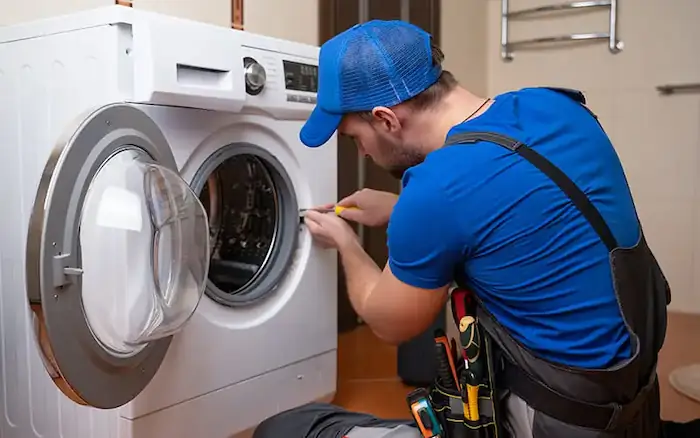
A washing machine can stop working for many different reasons, and the exact cause often depends on what the machine is doing when the problem occurs.
In some cases, the issue may be as simple as a power connection, closed water tap, blocked drain hose, or improperly closed door.
Other problems can involve internal components such as the motor, drain pump, inlet valve, door lock, sensors, wiring, or electronic control board.
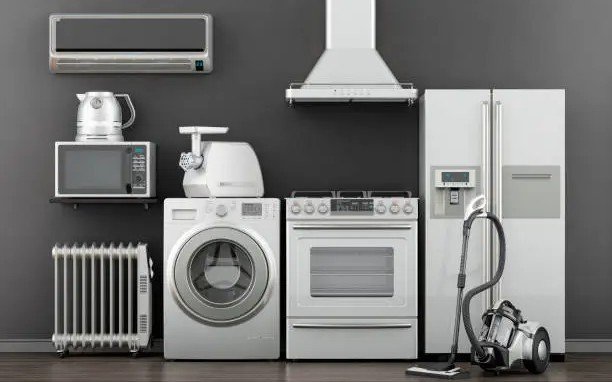
If the washing machine has suddenly stopped during a cycle, refuses to start, doesn't respond to the buttons, or turns on but doesn't perform the selected program, it is useful to identify the exact symptom before attempting further troubleshooting.
This can help determine whether the problem is related to the power supply, water supply, drainage, spinning system, door mechanism, or electronic controls.
For safety, avoid repeatedly forcing the door, buttons, or program selector. If basic checks do not resolve the problem, professional inspection can help identify the component responsible.
We provide quick, reliable and affordable Washing Machine repair services with experienced technicians.
At Smart Service Centre, We Provide Fast And Reliable Home Appliance Repair Service With Skilled Technicians And Professional Solutions.
Whether You Need A Washing Machine Technician, fridge Mechanic, Ac Service expert Or, Tv Specialists. Our Team Is Ready To Help With Quick Doorstep Service.
Reliable Appliance Services At Affordable Prices Without Compromising On Quality. Our Technician Offers Best Cost-Effective Solutions For Your Appaince.
We Deliver Quality Appaliance Repair Services With Experienced Appliance Technicians Offering Fast Doorstep Repair Service.
Lg, Ifb, Bosch, Samsung, Siemens, Whirlpool, Godrej, Onida, Xiaomi, Panasonic, Hitachi, Toshiba, Sharp, Sanyo, Aqua,Miele, Aeg, Electrolux, Constructa, Neff, Maytag, Amana, Speed Queen, Alliance Laundry System, Frigidaire, Hotpoint, Ge Appliance, KitchenAid, Kenmore, Crosley, Magic Chef, Haier, Midea, Hisence, Tcl, Little Swan, Skyworth, Konka, Galanz, Changhong, Aux, Gree, Robam, Bpl, Videocon, Voltas, Beko, Lloyd, Croma, Marq, Micromax, Intex, Koryo, Mitashi, Sansui, Motorola, Realme, Candes, Dmr, Daewoo, Gem, Intec, Daenyx, Vestar, Gorenje, Asko, Gram, Cylinda, Zanussi, Hoover, Indesit, Candy, Thomson, Vendette, Brandt,
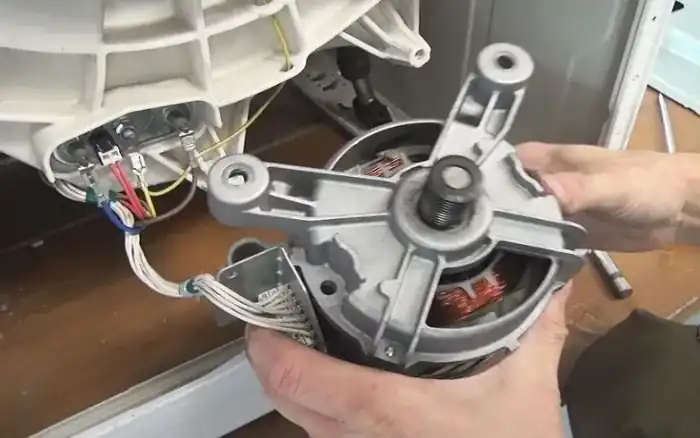
A washing machine that was operating normally and suddenly stops can leave you wondering whether the problem is electrical, mechanical, or related to the selected wash program. The machine may stop before washing, during washing, while draining, or just before the spin cycle. Paying attention to exactly when the machine stops can help narrow down the possible cause.
If the washing machine stops halfway through a program, check whether the display is still active and whether there is water remaining inside the drum. A machine may pause because it cannot drain properly, cannot obtain enough water, detects an imbalance, or has identified a fault through one of its sensors. Some models will also stop and display an error code when a problem is detected.
When a washing machine doesn't perform any function, begin by determining whether it has any signs of electrical power. If the display and indicators are completely off, the problem may be associated with the power supply or an internal electrical component.
If the display is working but the machine doesn't respond to commands, the fault may instead involve the controls, door lock, electronic system, or another component.
A washing machine needs an adequate water supply to perform certain stages of its cycle. A closed tap, kinked inlet hose, blocked inlet filter, insufficient supply, or faulty inlet component can prevent the machine from filling correctly. In some cases, the machine may remain paused until the expected water level is reached.
A washing machine that starts its programme but does not fill with water may remain at the beginning of the cycle or eventually stop. The problem can sometimes be related to the incoming water supply, hose, inlet filter, inlet valve, or the machine's control system.
Pay attention to whether you can hear water entering the appliance and whether the issue occurs with every programme. This information can help when explaining the problem to a washing machine technician.
A washing machine needs a proper water supply to begin and complete its wash cycle. When water doesn't enter the machine, it may remain stuck at the beginning of the program, repeatedly attempt to fill, display an error code, or eventually stop the cycle.
The problem can sometimes be caused by something outside the appliance, such as a closed water tap or restricted inlet hose. In other cases, the issue may be inside the washing machine, involving the inlet valve, filter, wiring, sensors, or control system.
The machine may lock the door and begin the program but remain silent without filling. This can indicate a water-supply or inlet-system problem.
A humming or buzzing sound may mean the machine is attempting to operate the water inlet system but isn't receiving the expected water flow.
Repeated filling attempts can occur when the machine isn't detecting the required water level within the expected time.
Some washing machines will pause or stop the program when they cannot obtain enough water to continue.
An error code related to water supply or inlet operation can help identify the area that needs investigation. The exact meaning varies by brand and model.
A washing machine that continues taking in water instead of stopping at the required level is behaving differently from a normal wash cycle.
This can be a sign of a malfunctioning water inlet valve or a problem with the machine's control system. Continuous filling can result in excessive water entering the appliance and may prevent the programme from progressing correctly.
A washing machine doesn't always fail completely at the first sign of trouble. Strange noises, occasional stopping, slow draining, inconsistent spinning, or intermittent starting can sometimes appear before a more significant failure. Addressing unusual behavior early can help prevent continued use of a machine with an underlying fault.
The reason a washing machine isn't working can vary according to its design, model, age, and features. Front-load, top-load, and semi-automatic machines can use different mechanisms and control systems. Even two machines showing the same symptom may require completely different diagnosis, which is why the exact model and behavior are useful when investigating a fault.
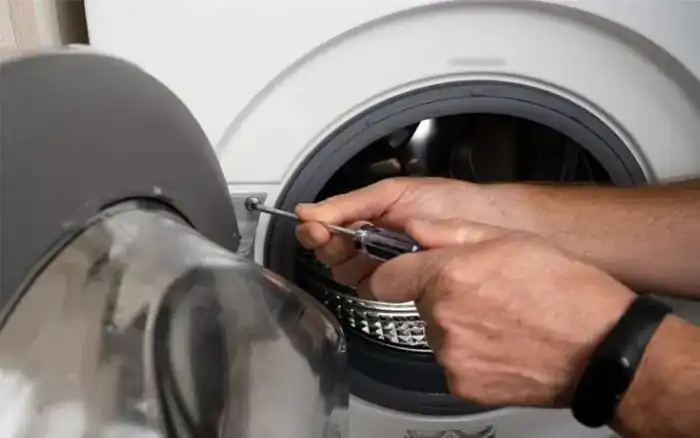
When a washing machine repeatedly fails to complete its cycle, professional inspection can help identify whether the issue is electrical, mechanical, water-related, or electronic. Providing the technician with the appliance brand, model, error code, and description of what happened can make the initial diagnosis more efficient.
A washing machine that does nothing after you select a programme can leave you wondering whether the issue is with the controls, power supply, door or lid detection, or another part of the machine. Sometimes the display may remain completely blank, while in other cases the controls may light up but the cycle never begins.
Notice what happens immediately after pressing the start button, including any lights, sounds, error messages, or changes on the display. Those small details can help describe the starting problem more clearly when the appliance is checked.
A washing machine that has power but does not start can have several possible causes. The door or lid may not be properly closed, the control panel may not be responding correctly, or the machine may be unable to begin the cycle because of a water-supply problem. In some cases, a child-lock, delayed-start setting, door-lock fault, wiring issue, or electronic control problem can prevent the wash program from starting.
If the display is working normally but the machine does nothing after the Start button is pressed, checking the door, water supply, selected settings, and any displayed error code can help identify the problem. If these basic checks do not resolve the issue, the washing machine may require professional diagnosis.
A washing machine that stops in the middle of a wash cycle may be experiencing a problem with water supply, drainage, spinning, sensors, the motor, or the electronic control system. The point at which the machine stops can provide an important clue. For example, a machine that stops with water inside may have difficulty draining, while one that stops before spinning may be affected by an imbalance or another fault.
Some washing machines automatically pause when they detect an abnormal condition and may display an error code. If the appliance repeatedly stops during different cycles, restarting it may only provide a temporary result, and the underlying fault should be properly checked.
A washing machine that spins more slowly than normal may not necessarily have a motor failure. An uneven or excessively heavy load can cause the machine to reduce or repeatedly adjust the spin speed. Water that has not drained properly can also prevent the appliance from reaching its intended spin speed.
If the machine consistently spins slowly even with a correctly balanced load and normal drainage, possible causes may include a motor or drive-system problem, worn mechanical components, belt-related issues on applicable models, or an electronic control fault.
Unusual sounds, vibration, error codes, or changes in performance can provide additional clues when diagnosing the problem.
Loud or unusual noises from a washing machine can have different causes depending on when the sound occurs. Rattling or knocking may occur when an object has become trapped in or around the drum, while excessive banging can be associated with an uneven load or installation issue.
Grinding, humming, squealing, or repeated mechanical sounds may indicate a problem involving the pump, motor, bearings, drive components, or other internal parts. A washing machine that suddenly develops a loud noise, especially when combined with vibration, leaking, or difficulty spinning, should not be repeatedly operated without identifying the source.
Proper inspection can help determine whether the noise is caused by a simple obstruction or a component that requires repair.
A washing machine that vibrates or shakes excessively during operation may have an uneven load, an installation or leveling problem, or an issue with the machine's suspension or other mechanical components.
Some movement during the spin cycle can be normal, but strong vibration, repeated banging, or the appliance moving across the floor should not be ignored. Check that the washing machine is standing level on a stable surface and that the clothes inside the drum are distributed reasonably evenly.
Overloading the machine or washing a single heavy item can also cause an imbalance. If the washing machine continues to shake violently even with a balanced load and proper leveling, the suspension system, shock absorbers, drum components, bearings, or other parts may need to be inspected.
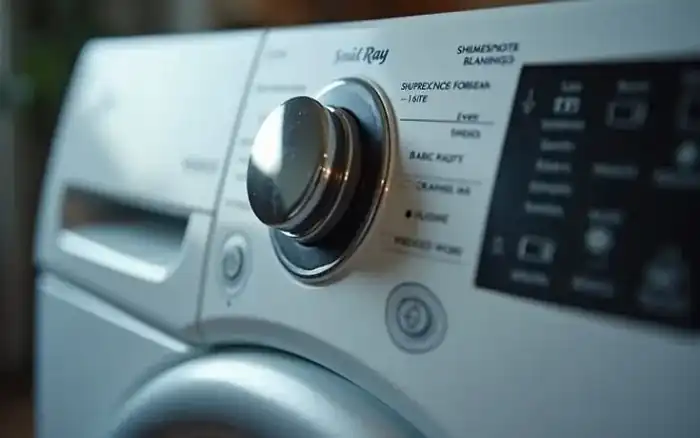
4C / 4E Water Supply Problem, 5C / 5E Drainage Problem, dE / DC Door Not Closed Properly, UE / Ub Unbalanced Load, LE / LC Water Leakage Detected, 3E Motot Problem, CE Temperature Sensor Issue, OE / OC Water Overflow, HE / HC Heating Problem.
IE - Water Inlet Error, OE - Drain Error, UE - Unbalanced Load, DE - Door Error, LE - Motor Locked Error, CE - Current Error, FE - Overflow Error, PE - Water Level Sensor Error, TE - Heating Sensor Error.
F01 - Control Board, F02 - Drain Problem, F05 - Water Temperature Sensor Issue, F06 - Motor Tachometer Error, F08 / F09 - Water Heating / Overflowing Issue, F11 - Communication Error.
E01 - Door Lock Problem, E02 - Water Inlet Problem, E03 - Drain Problem, E04 - Water Overflow, E05 - Motor Error, E06 - Temperature Sensor Error.
E16 / F16 - Door Lock Issue, E17 / F17 - Water Inlet Problem, E18 / F18 - Drainage Problem, E19 / F19 - Heating Problem, E23 / F23 - Leakage Detected, E32 - Unbalanced Load.
U11 - Drain Problem, U12 - Door Not Openning, U13 - Load Unbalanced, U14 - Water Not Flowing, H01 - Water Level Sensor Error.
E1 - Drain Problem, E2 - Door Not Locking, E4 - Not Taking Water, E8 - Water Overflow, E7 - Motor Fault.
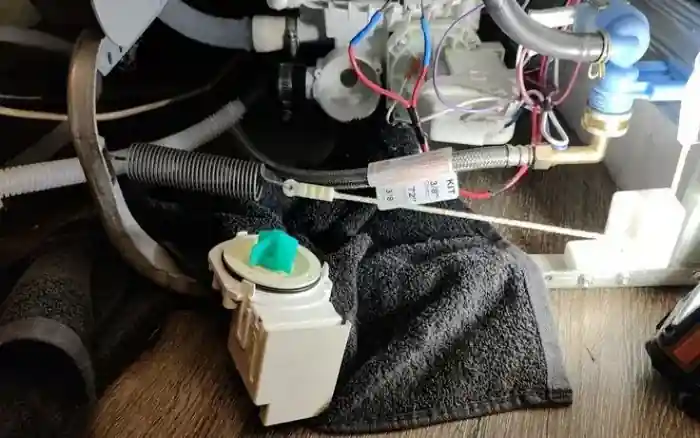
Front-load washing machines use a horizontally positioned drum and have a front door for loading clothes. Their operation involves controlled drum movement, water management, rinsing, and high-speed spinning. Because the door seal, drainage system, drum movement, and locking mechanism all play important roles, problems can sometimes appear through leaks, unusual vibration, door-related issues, or changes in spin performance.
Top-load machines are loaded through an opening at the top and can use different washing mechanisms depending on the model. Some use an agitator while others use an impeller-style system. Problems may therefore present differently from those seen in front-load machines. Observing the machine's specific behaviour and programme stage remains important when describing an issue.
Semi-automatic machines generally require more interaction from the user than fully automatic models, often involving separate washing and spinning sections. Their operation therefore includes additional user-controlled steps. Problems can involve either section of the appliance, and customers should specify which part is affected when requesting assistance.
Fully automatic machines coordinate multiple stages within a selected programme with limited user intervention. Because filling, washing, rinsing, draining, and spinning are controlled as part of a programmed sequence, a problem in one stage can sometimes prevent later stages from occurring. This can make the exact point at which the cycle stops particularly useful information.
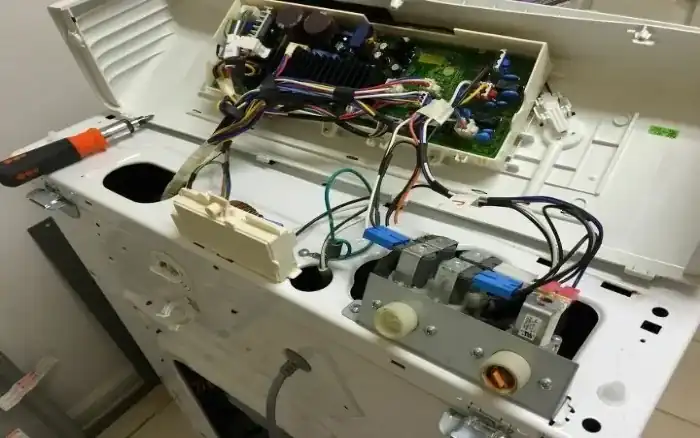
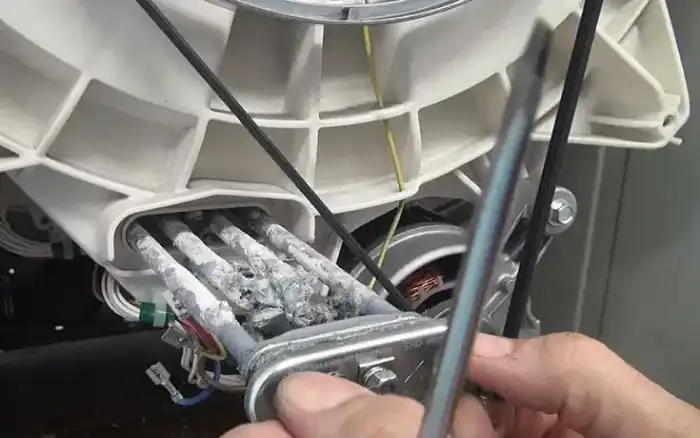
The water tap may be closed, the inlet hose may be restricted, or the inlet filter, water inlet valve, wiring, sensor, or control system may have a problem.
Many washing machine service providers offer home visits, allowing the appliance to be inspected where it is installed. This can be convenient because washing machines are heavy and are normally connected to water, drainage, and electricity. When making an enquiry, provide the location of the washing machine and describe the problem so the service requirement can be understood clearly.
If water enters normally but the cycle stops afterward, the problem may not be with the water inlet itself. The machine may be unable to begin drum movement, detect the correct water level, drain correctly, or proceed because of a control or sensor problem. Observing whether the drum moves after filling and whether an error code appears can provide useful information about where the problem may be.
A machine that drains successfully but stops before continuing may have a problem with the next stage of the cycle. Depending on the model, the appliance may need to verify conditions through sensors, operate the motor, lock the door, or begin spinning. If it repeatedly stops at the same point despite draining normally, the relevant motor, sensor, control, or mechanical system may need diagnosis.
Washing machine repair services can cover a wide range of household washing machines, including front-load, top-load, fully automatic, semi-automatic, and washer-dryer combination machines. Common problems can include machines that won't turn on or start, won't take in water, won't drain, won't spin, stop during a cycle, make unusual noises, vibrate excessively, leak water, or display error codes. The exact repair depends on the washing machine's brand, model, design, and fault. Whether the problem involves the water inlet, drainage system, motor, door or lid lock, pump, sensors, wiring, control panel, or electronic control board, the appliance can be assessed to determine the appropriate repair.
A washing machine can suddenly stop working because of a power interruption, water-supply problem, drainage issue, door-lock fault, motor problem, sensor issue, wiring fault, or electronic control failure. The first thing to identify is whether the machine is completely dead or whether it still has power but won't begin or complete a cycle. Checking the display, error codes, water connection, door, and remaining water in the drum can help narrow down the possible cause.
At Our Service Center Both Options Are Available. You Can Either Call UUs By Phone Or Fill The Booking for To Contact Us Via Website.
Check the service provider's listed service areas for your locality, neighborhood, or surrounding area. If your exact location is not mentioned, you can contact the provider and ask whether service is available at your address. This is especially useful when you live near the edge of a service area or in a locality with a name shared by another area.
A washing machine can develop a fault between cycles even when it was operating normally before. A component such as an inlet valve, drain pump, door lock, motor, sensor, or electronic control can fail without much warning. External issues such as a power problem, water-supply interruption, blocked hose, or drainage restriction can also make a normally working appliance appear to have suddenly failed.
If there are no lights, sounds, or response from the controls, start by checking the electrical supply and connection. If the socket and power supply are working correctly but the appliance remains completely unresponsive, there may be an internal electrical, wiring, control, or component-related fault. A completely dead washing machine should not be repeatedly switched on if there are signs of electrical damage or a burning smell.
When the display is working but the washing machine doesn't actually operate, the problem is likely different from a complete power failure. The machine may be waiting for the door to lock, water to enter, or another condition to be satisfied before starting. A faulty door lock, water inlet system, sensor, motor, control panel, or electronic board can also cause this type of symptom.
Start by searching for washing machine service using your locality, neighborhood, or city name. You can then check which providers mention your area and what type of washing machine assistance they offer. Before arranging a visit, confirm that your location is covered and provide a brief description of the issue so the service request is relevant to your appliance.
Start by checking that the machine is level, stable, and positioned on a suitable floor. Avoid severely overloading the drum and distribute clothes as evenly as possible. If the appliance continues shaking violently despite these checks, the suspension, shock absorbers, drum assembly, bearings, or other components may need inspection.
Water remaining inside the drum after a cycle usually indicates that the machine has not drained correctly. A blocked filter, restricted drain hose, obstruction, or drain-pump problem can interfere with drainage. If the machine repeatedly leaves water inside despite basic drainage checks, the drainage system may require further inspection.
A persistent unpleasant smell can develop from detergent residue, moisture, dirt, buildup inside accessible areas, or water remaining in parts of the appliance. Cleaning the machine according to the manufacturer's recommendations and allowing appropriate ventilation can help. If the smell is electrical, burning, or unusually strong, stop using the machine and have it inspected.
We Specialize In Servicing All Major Brands. We Offer A Wide Range Of Home Appliance Repair Services For All Major Locations Across
 Call Now
 WhatsApp